
Fermented Beet Kvass: Complete Guide to Homemade Fermentation
🍽️ Fermented Beet Kvass is an ancient Eastern European beverage that's experiencing a modern revival. This probiotic powerhouse combines earthy beets with beneficial bacteria, creating a naturally energizing drink.
Fermented Beet Kvass represents one of the most accessible ways to incorporate probiotics into your daily routine. This traditional Russian and Ukrainian drink has been consumed for centuries, valued for its distinctive taste and remarkable health benefits. The fermentation process transforms simple ingredients into a complex, flavorful beverage rich in beneficial bacteria.
Additionally, making Fermented Beet Kvass at home is surprisingly straightforward. You'll need just a few basic ingredients: fresh beets, filtered water, sea salt, and a starter culture. Furthermore, the fermentation process requires minimal active time, though patience is essential as the magic happens over several days.
📋 Table of Contents
▼
🌟 Understanding Fermented Beet Kvass and Its Benefits
Fermented Beet Kvass is far more than a simple beverage. This traditional drink combines ancient fermentation wisdom with modern nutritional science, creating a potent health tonic.
What Makes Fermented Beet Kvass Special
Fermented Beet Kvass stands apart from ordinary beet juice because of its fermentation process. During fermentation, beneficial bacteria consume sugars and create lactic acid, which preserves the drink while enhancing digestibility. Consequently, your body absorbs nutrients more efficiently compared to unfermented alternatives.
The Probiotic Power of Fermentation
The fermentation process produces live cultures including Lactobacillus and other beneficial microorganisms. Therefore, each glass of Fermented Beet Kvass delivers millions of these probiotic bacteria directly to your digestive system. Moreover, these microorganisms support gut health, enhance nutrient absorption, and strengthen immune function naturally.
- ✓ Rich in live probiotic cultures for digestive health
- ✓ Contains betalains, powerful antioxidants from beets
- ✓ Supports natural detoxification processes
- ✓ Low in sugar and calories for health-conscious drinkers
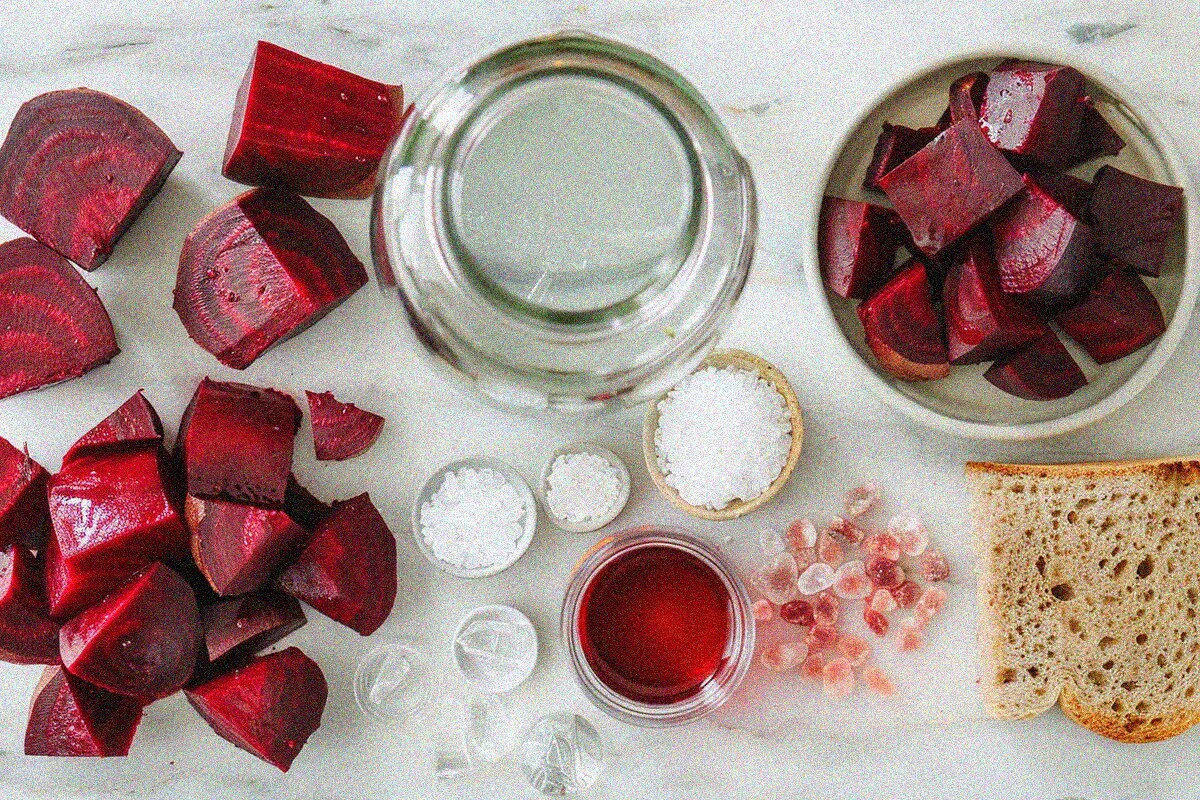
Quality ingredients are the foundation of excellent Fermented Beet Kvass
⚖️ Advantages and Considerations of Fermented Beet Kvass
Understanding both the benefits and challenges helps you make an informed decision about incorporating Fermented Beet Kvass into your wellness routine.
Making an Informed Choice
Fermented Beet Kvass offers remarkable health benefits, yet certain factors deserve consideration before beginning your fermentation journey. Evaluating these points ensures you'll have realistic expectations and better success.
✓ Advantages
- Incredibly affordable to make at home compared to commercial probiotics
- Fermented Beet Kvass requires minimal equipment and ingredients
- Naturally fermented without artificial additives or preservatives
- Supports digestive health and immune function naturally
- Can be customized with additional flavors like ginger or turmeric
- Stores well in the refrigerator for several weeks
- Environmentally friendly alternative to commercial supplements
- Fermentation process is forgiving and beginner-friendly
✗ Disadvantages
- Fermentation requires 3-5 days of patience before consumption
- Requires proper sanitation to prevent contamination
- Taste is distinctly earthy and tangy, not for everyone
- May cause digestive adjustment in sensitive individuals
- Requires consistent temperature and proper storage conditions
- Not suitable for those avoiding fermented foods
- Initial batch failures are possible while learning
- Requires access to quality starter culture or whey
🎯 Essential Tips for Successful Fermented Beet Kvass
Master these expert techniques to ensure your Fermented Beet Kvass ferments perfectly every time. These proven methods separate successful batches from disappointing ones.
Preparation and Sanitation
Success with Fermented Beet Kvass begins with cleanliness. Thoroughly wash all jars, utensils, and equipment with hot water before use. Additionally, ensure your workspace is clean and free from potential contaminants. This foundation prevents unwanted mold or harmful bacteria from compromising your fermentation.
Temperature and Timing Control
Fermented Beet Kvass ferments best at temperatures between 65-75°F. Therefore, choose a stable location away from direct sunlight and heat sources. Furthermore, fermentation typically requires 3-5 days, though warmer environments may accelerate the process. Monitor your batch daily, tasting periodically to determine when fermentation has reached your preferred level.
- ✓ Use filtered water to avoid chlorine interference
- ✓ Maintain consistent room temperature throughout fermentation
- ✓ Use quality sea salt, not iodized table salt
- ✓ Taste daily to monitor fermentation progress
📚 Flavor Variations and Creative Customizations
While traditional Fermented Beet Kvass is delicious, numerous variations allow you to create personalized versions. These creative additions enhance flavor while maintaining probiotic benefits.
Flavor Enhancement Techniques
Enhance your Fermented Beet Kvass by adding complementary ingredients during fermentation. Consider incorporating fresh ginger for warmth, turmeric for anti-inflammatory benefits, or horseradish for pungency. Additionally, you might experiment with fresh herbs like dill or caraway seeds, which pair beautifully with beets. However, add these elements sparingly to avoid overwhelming the delicate fermentation process. For example, Fermented Cabbage Recipes: Complete Guide to Homemade Fermentation demonstrates similar flavor-building techniques applicable to your kvass experiments.
Serving and Pairing Suggestions
Fermented Beet Kvass can be enjoyed straight as a wellness shot or diluted with water for a refreshing beverage. Moreover, you might incorporate it into smoothies, salad dressings, or even cocktails for creative applications. Furthermore, pairing Fermented Beet Kvass with meals containing leafy greens maximizes nutrient absorption. The tangy complexity complements earthy vegetables beautifully, making it an excellent addition to any health-conscious kitchen.
- ✓ Add fresh ginger for warming, anti-inflammatory properties
- ✓ Incorporate turmeric for enhanced immune support
- ✓ Use caraway or dill seeds for traditional Eastern European flavor
- ✓ Serve chilled as a refreshing wellness beverage

The finished Fermented Beet Kvass displays a beautiful deep red hue and visible fermentation activity
💡 Storage and Long-Term Fermentation Management
Proper storage ensures your Fermented Beet Kvass maintains its probiotic benefits and delicious flavor. These proven methods extend shelf life while preserving quality.
Optimal Storage Conditions
Store finished Fermented Beet Kvass in glass bottles with tight-sealing lids in the refrigerator. The cold temperature dramatically slows fermentation, preserving the beverage for 2-4 weeks. Additionally, glass containers prevent any interaction with plastic, ensuring purity. Therefore, invest in quality glass bottles for long-term storage and multiple batches.
Continuous Fermentation Strategies
Many fermentation enthusiasts maintain perpetual fermentation vessels, continuously adding fresh beets and brine to existing cultures. This method, known as continuous fermentation, allows you to harvest Fermented Beet Kvass regularly while maintaining active cultures. However, this requires careful monitoring and understanding of fermentation dynamics. For inspiration on similar fermentation techniques, explore Fermented Cabbage Kimchi: Complete Guide to Homemade Fermentation for advanced methods.
- ✓ Always refrigerate finished Fermented Beet Kvass immediately
- ✓ Use glass bottles with airtight seals for storage
- ✓ Check regularly for signs of mold or contamination
- ✓ Maintain separate fermentation vessels for experimentation
📖 Recipe Card
🥘 Ingredients
- 2 cups all-purpose flour
- 1 cup granulated sugar
- 3 large eggs
- 1/2 cup unsalted butter, softened
- 2 tsp vanilla extract
- 2 tsp baking powder
- 1/2 tsp salt
- 3/4 cup whole milk
👨🍳 Instructions
- Preheat your oven to 350°F (175°C). Grease and flour a 9-inch round cake pan.
- In a medium bowl, whisk together flour, baking powder, and salt. Set aside.
- In a large bowl, cream together butter and sugar until light and fluffy, about 3-4 minutes.
- Beat in eggs one at a time, then add vanilla extract.
- Alternate adding flour mixture and milk, beginning and ending with flour mixture.
- Pour batter into prepared pan and smooth the top.
- Bake for 30-35 minutes until a toothpick inserted in center comes out clean.
- Cool in pan for 10 minutes, then turn out onto a wire rack to cool completely.
📊 Nutrition Information
❓ Frequently Asked Questions
Fermented Beet Kvass typically requires 3-5 days of fermentation at room temperature. However, warmer environments may accelerate fermentation to 2-3 days, while cooler conditions might extend it to 7 days. Therefore, monitor your batch daily and taste periodically to determine optimal fermentation time for your preferences and climate.
No, store-bought beet juice is not recommended for Fermented Beet Kvass. Most commercial juices are pasteurized, which kills the beneficial bacteria needed for fermentation. Additionally, they often contain added sugars and preservatives that interfere with natural fermentation. Fresh, organic beets provide the best results and most authentic Fermented Beet Kvass experience.
White mold on the surface of Fermented Beet Kvass indicates contamination and the batch should be discarded. However, white film (kahm yeast) is harmless and can be carefully skimmed off. Therefore, maintain proper sanitation and ensure your jar is covered with breathable cloth to prevent mold while allowing fermentation gases to escape. Always discard any batch showing signs of fuzzy mold or off odors.
Fermented Beet Kvass is safe for most people, but certain individuals should exercise caution. Pregnant women should consult healthcare providers before consuming fermented foods. Additionally, those with FODMAP sensitivities or histamine intolerance may experience adverse reactions. Furthermore, introduce Fermented Beet Kvass gradually to allow your digestive system to adjust to the beneficial bacteria.
Yes, you can ferment Fermented Beet Kvass using wild fermentation without commercial starter culture. However, this method is less predictable and requires longer fermentation times, sometimes extending beyond a week. Therefore, using whey, starter culture, or even sauerkraut juice significantly increases success rates and reduces contamination risks. For beginners, starter culture is highly recommended for consistent, reliable results.
🎉 Final Thoughts
Fermented Beet Kvass represents an accessible entry point into home fermentation and probiotic wellness. This traditional Eastern European beverage combines simplicity with remarkable health benefits, making it perfect for both beginners and experienced fermenters. The process requires minimal equipment, affordable ingredients, and patience—qualities that reward you with delicious, living food.
Moreover, creating Fermented Beet Kvass at home connects you to centuries of fermentation tradition while supporting your digestive health naturally. The satisfaction of producing your own probiotic beverage extends beyond physical health to encompass the joy of self-sufficiency. Additionally, you can explore endless flavor variations and share your creations with friends and family. For more fermentation inspiration, discover Viral Cucumber Salad: The TikTok Sensation You Need to Try and other fermented vegetable recipes.
Key Takeaways:
- ★Fermented Beet Kvass requires only fresh beets, water, salt, and starter culture
- ★Fermentation typically takes 3-5 days at room temperature
- ★Proper sanitation prevents contamination and ensures success
- ★Refrigerate immediately after fermentation to preserve beneficial bacteria
- ★Fermented Beet Kvass stores for 2-4 weeks in the refrigerator
Ready to begin your fermentation journey? Gather fresh beets and quality ingredients today to create your first batch of Fermented Beet Kvass. Your digestive system will thank you for this delicious, probiotic-rich addition to your wellness routine!
Fermentation is equal parts science and tradition, blending ancient wisdom with modern nutrition. When you create Fermented Beet Kvass at home, you're not just making a beverage—you're cultivating health, connecting with food traditions, and nourishing your body with living cultures. This simple act of fermentation transforms ordinary beets into extraordinary wellness.