
Fermented Cabbage Kimchi: Complete Guide to Homemade Fermentation
🍽️ Transform simple napa cabbage into tangy, probiotic-rich fermented cabbage kimchi with our comprehensive guide to authentic Korean fermentation!
Fermented cabbage kimchi is more than just a side dish—it's a living food packed with beneficial probiotics and complex flavors developed through time-honored fermentation. This traditional Korean staple combines crisp cabbage with a vibrant red seasoning paste, creating layers of umami depth that intensify as the fermentation progresses. Learning to make fermented cabbage kimchi at home connects you to centuries of culinary tradition while providing your gut with nourishing live cultures.
The beauty of fermented cabbage kimchi lies in its simplicity and versatility. Additionally, the fermentation process requires minimal effort but yields maximum flavor development. Unlike many fermented foods, fermented cabbage kimchi uses readily available ingredients and doesn't demand specialized equipment. Whether you're a fermentation novice or an experienced cook, this guide will walk you through each step to create restaurant-quality fermented cabbage kimchi in your own kitchen.
📋 Table of Contents
▼
- 🌟 Why Fermented Cabbage Kimchi Is Worth Making at Home
- ⚖️ Advantages and Disadvantages of Homemade Fermented Cabbage Kimchi
- 🎯 Essential Tips for Perfect Fermented Cabbage Kimchi
- 📚 Customizing Your Fermented Cabbage Kimchi Recipe
- 💡 Storage and Long-Term Fermented Cabbage Kimchi Maintenance
- 📖 Recipe Card
- ❓ FAQ
🌟 Why Fermented Cabbage Kimchi Is Worth Making at Home
Understanding the nutritional and flavor benefits of fermented cabbage kimchi motivates many home cooks to master this traditional recipe. The fermentation process creates something far superior to store-bought versions.
The Probiotic Power of Fermented Cabbage Kimchi
Fermented cabbage kimchi contains living lactobacillus cultures that support digestive health and immune function. During fermentation, beneficial bacteria multiply exponentially, transforming simple cabbage into a functional food. Furthermore, these probiotics survive the journey through your digestive system, colonizing your gut and promoting healthy microbiome balance. Unlike pasteurized commercial versions, homemade fermented cabbage kimchi maintains its full probiotic potential.
Flavor Development Through Fermentation
The fermentation process in fermented cabbage kimchi creates complex flavors impossible to achieve through raw preparation. As lactobacillus bacteria consume sugars in the cabbage, they produce lactic acid, creating the characteristic tangy taste. Additionally, this fermentation unlocks umami compounds and allows garlic and ginger flavors to mellow and integrate. Consequently, fermented cabbage kimchi tastes better after several days of fermentation than on day one.
- ✓ Contains billions of beneficial lactobacillus cultures per serving
- ✓ Improves digestive health and nutrient absorption
- ✓ Develops complex tangy flavor over time
- ✓ Costs significantly less than quality store-bought versions
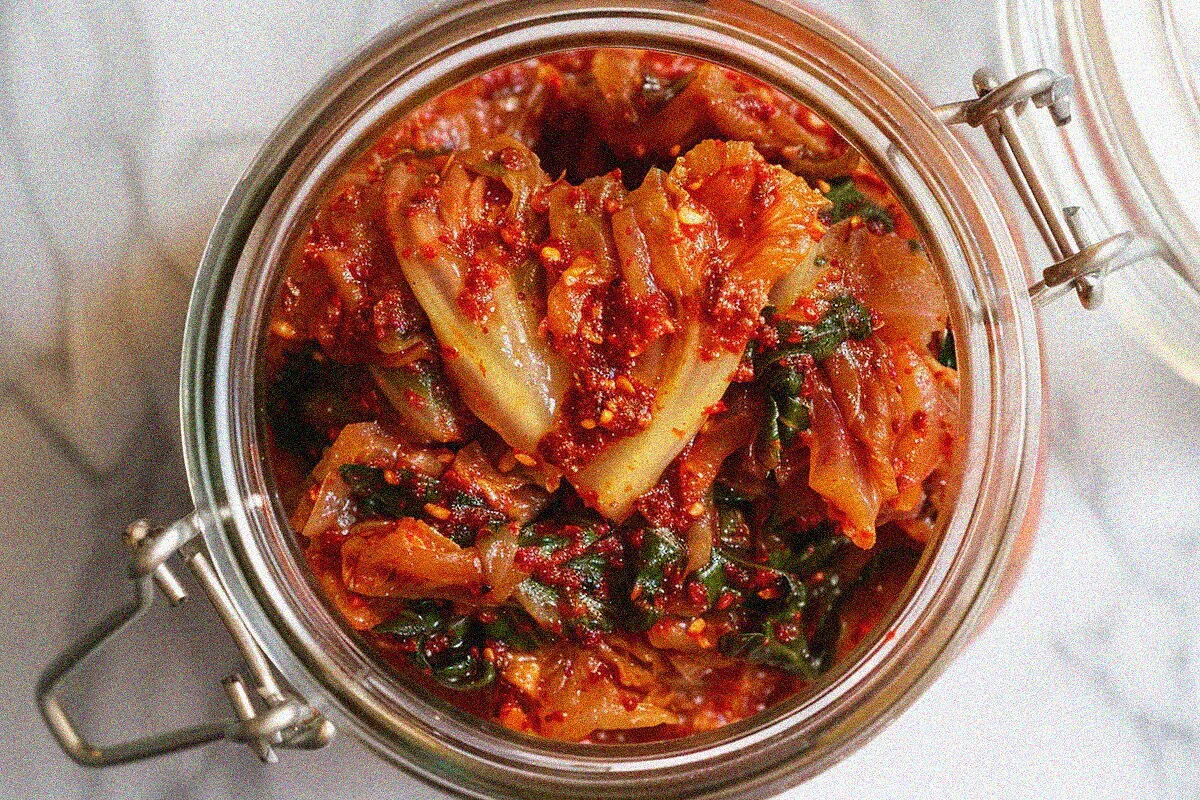
Beautifully fermented cabbage kimchi ready for serving, displaying the signature red color and glistening texture
⚖️ Advantages and Disadvantages of Homemade Fermented Cabbage Kimchi
Making fermented cabbage kimchi at home offers tremendous benefits, though understanding potential challenges helps set realistic expectations. Let's examine both sides of this fermentation journey.
Making an Informed Decision
Homemade fermented cabbage kimchi provides unparalleled quality and customization compared to store-bought alternatives. However, the fermentation timeline and specific conditions require patience and attention. Therefore, evaluating your lifestyle and preferences ensures this project aligns with your goals.
✓ Advantages
- ✓ Superior probiotic content compared to pasteurized commercial versions
- ✓ Complete control over ingredient quality and spice level
- ✓ Significantly more economical than premium store-bought fermented cabbage kimchi
- ✓ Customizable flavors with additional vegetables or adjustments
- ✓ Fermented cabbage kimchi improves with age, lasting months in refrigerator
- ✓ Educational experience connecting you to traditional food culture
- ✓ No artificial preservatives or additives
- ✓ Can make large batches for family sharing
✗ Disadvantages
- ✗ Requires 3-7 days fermentation time before consumption
- ✗ Fermentation dependent on room temperature and environmental conditions
- ✗ Fish sauce has strong odor some find unpleasant
- ✗ Risk of mold if fermentation conditions aren’t properly maintained
- ✗ Requires glass jars and proper storage containers
- ✗ Not suitable for those avoiding fermented foods or histamine-sensitive individuals
- ✗ Initial learning curve for optimal fermentation timing
- ✗ Takes counter or refrigerator space during fermentation
🎯 Essential Tips for Perfect Fermented Cabbage Kimchi
Mastering these expert techniques ensures your fermented cabbage kimchi ferments successfully every time. These proven methods separate exceptional results from mediocre outcomes.
Cabbage Selection and Preparation
The foundation of excellent fermented cabbage kimchi begins with proper cabbage selection. Choose firm napa cabbage with tightly packed leaves, avoiding any with brown spots or wilting. When preparing your cabbage for fermented cabbage kimchi, cut it into quarters lengthwise, leaving the root end intact to hold leaves together. This method allows seasoning to penetrate while maintaining structural integrity during fermentation.
Fermentation Conditions and Monitoring
Fermented cabbage kimchi ferments optimally at temperatures between 65-75°F (18-24°C). At these temperatures, beneficial bacteria multiply steadily without encouraging harmful pathogens. Moreover, consistent temperature produces more predictable results than fluctuating conditions. Monitor your fermented cabbage kimchi daily, tasting after day three and adjusting fermentation duration based on your flavor preferences.
- ✓ Select firm napa cabbage with pale green color and tight leaves
- ✓ Salt cabbage thoroughly to draw out moisture and preserve crispness
- ✓ Keep fermented cabbage kimchi submerged under brine at all times
- ✓ Maintain consistent room temperature between 65-75°F
- ✓ Use glass jars, never plastic, for fermented cabbage kimchi
📚 Customizing Your Fermented Cabbage Kimchi Recipe
While traditional fermented cabbage kimchi follows established guidelines, creative variations allow personalization. These adaptations maintain fermentation integrity while reflecting your taste preferences.
Adjusting Heat and Flavor Intensity
The spice level in fermented cabbage kimchi depends entirely on gochugaru quantity. For milder fermented cabbage kimchi, reduce gochugaru to 2 tablespoons. Conversely, spice enthusiasts can increase it to 4 tablespoons. Beyond heat adjustment, you can enhance fermented cabbage kimchi with additional garlic, increase ginger for warmth, or add sesame seeds for nuttiness. These modifications don't compromise fermentation success.
Incorporating Additional Vegetables
Traditional fermented cabbage kimchi welcomes supplementary vegetables that benefit from fermentation. Additionally, daikon radish adds crisp texture and subtle sweetness to fermented cabbage kimchi. Scallions contribute fresh onion notes, while carrots provide color and slight sweetness. Furthermore, you can layer these vegetables between cabbage leaves during assembly. However, ensure vegetables maintain proper salt ratios for successful fermentation of your fermented cabbage kimchi.
- ✓ Reduce gochugaru for milder fermented cabbage kimchi versions
- ✓ Add extra garlic cloves for deeper, more robust flavor
- ✓ Include daikon radish for crispness and subtle sweetness
- ✓ Layer scallions between cabbage leaves for fresh notes
- ✓ Sprinkle sesame seeds for nutty depth in fermented cabbage kimchi

Essential ingredients for making authentic fermented cabbage kimchi, arranged for easy reference during preparation
💡 Storage and Long-Term Fermented Cabbage Kimchi Maintenance
Proper storage extends fermented cabbage kimchi's shelf life while allowing flavors to continue developing. Understanding preservation techniques ensures you enjoy your batch for months.
Refrigeration and Flavor Evolution
After initial fermentation at room temperature, transfer your fermented cabbage kimchi to the refrigerator where cold temperatures dramatically slow bacterial activity. This slowing preserves the current flavor profile while allowing subtle changes over weeks. In fact, many fermented cabbage kimchi enthusiasts prefer the taste after 2-3 weeks of refrigeration. Properly stored fermented cabbage kimchi maintains quality for 4-6 months in the refrigerator.
Preventing Common Storage Issues
The primary concern with stored fermented cabbage kimchi is mold formation on exposed surfaces. Therefore, always keep fermented cabbage kimchi completely submerged under brine. If liquid levels drop, prepare additional brine using 1 tablespoon salt per cup of water. Additionally, ensure your glass jars are scrupulously clean before storing fermented cabbage kimchi. Use clean utensils when removing portions, never fingers, preventing contamination of your fermented cabbage kimchi batch.
- ✓ Refrigerate fermented cabbage kimchi after initial room temperature fermentation
- ✓ Keep fermented cabbage kimchi completely submerged in brine
- ✓ Use clean utensils when removing portions from fermented cabbage kimchi
- ✓ Add fresh brine if liquid levels drop below cabbage in fermented cabbage kimchi
- ✓ Expect fermented cabbage kimchi to last 4-6 months under proper refrigeration
📖 Recipe Card
🥘 Ingredients
- 2 cups all-purpose flour
- 1 cup granulated sugar
- 3 large eggs
- 1/2 cup unsalted butter, softened
- 2 tsp vanilla extract
- 2 tsp baking powder
- 1/2 tsp salt
- 3/4 cup whole milk
👨🍳 Instructions
- Preheat your oven to 350°F (175°C). Grease and flour a 9-inch round cake pan.
- In a medium bowl, whisk together flour, baking powder, and salt. Set aside.
- In a large bowl, cream together butter and sugar until light and fluffy, about 3-4 minutes.
- Beat in eggs one at a time, then add vanilla extract.
- Alternate adding flour mixture and milk, beginning and ending with flour mixture.
- Pour batter into prepared pan and smooth the top.
- Bake for 30-35 minutes until a toothpick inserted in center comes out clean.
- Cool in pan for 10 minutes, then turn out onto a wire rack to cool completely.
📊 Nutrition Information
❓ Frequently Asked Questions
Fermented cabbage kimchi typically ferments for 3-7 days at room temperature (65-75°F). The timeline depends on your temperature and flavor preference. After 3 days, fermented cabbage kimchi develops noticeable tanginess. For deeper, more complex flavor, extend fermentation to 5-7 days. Once satisfied with taste, transfer to refrigeration to slow further fermentation.
Yes, fermented cabbage kimchi can be made without fish sauce by substituting with soy sauce or miso paste. Use 2 tablespoons soy sauce or 1 tablespoon miso mixed with 1 tablespoon water. These alternatives provide umami depth, though the flavor profile differs slightly from traditional fermented cabbage kimchi. Fermentation success remains unaffected by this substitution.
Properly fermented cabbage kimchi develops white or pink surface mold, which is harmless and can be skimmed off. However, fermented cabbage kimchi has gone bad if you notice fuzzy mold, slimy texture, or foul odor. Trust your senses—fermented cabbage kimchi should smell pungent but pleasant, not rotten. When in doubt, discard fermented cabbage kimchi to avoid foodborne illness.
Yes, cooking fermented cabbage kimchi destroys most beneficial bacteria and enzymes. To preserve probiotics in fermented cabbage kimchi, add it to dishes after cooking or serve raw as a condiment. However, fermented cabbage kimchi can be cooked for flavor without concern for probiotic loss if digestive benefits aren’t your primary goal.
Glass jars are strongly recommended for fermented cabbage kimchi because plastic can leach chemicals into the acidic environment created during fermentation. Additionally, glass doesn’t absorb odors or stains from fermented cabbage kimchi. If you must use plastic, choose food-grade containers specifically designed for fermentation, though glass remains the superior choice for fermented cabbage kimchi.
A typical serving of fermented cabbage kimchi is 1-2 tablespoons daily, providing beneficial probiotics without overwhelming your digestive system. If new to fermented cabbage kimchi, start with 1 tablespoon and gradually increase as your gut adjusts. Those with histamine sensitivity should consume fermented cabbage kimchi cautiously since fermentation increases histamine content.
🎉 Final Thoughts
Fermented cabbage kimchi represents far more than a simple condiment—it's a gateway to understanding fermentation, traditional food preservation, and probiotic nutrition. By mastering this recipe, you join millions worldwide who've discovered that fermented cabbage kimchi transforms ordinary meals into extraordinary culinary experiences. The combination of simple ingredients, straightforward techniques, and living cultures creates something truly special.
The journey from fresh napa cabbage to complex, tangy fermented cabbage kimchi teaches patience and builds confidence in your cooking abilities. Moreover, fermented cabbage kimchi connects you to Korean culinary heritage while supporting your digestive health. Each jar of fermented cabbage kimchi you create represents a small victory in reclaiming food preparation from commercial processing. For more delicious recipes, explore our Fermented Cabbage Recipes: Complete Guide to Homemade Fermentation with numerous variations and applications.
Key Takeaways:
- ★Quality napa cabbage selection determines fermented cabbage kimchi success
- ★Proper salting draws out moisture essential for fermented cabbage kimchi brine
- ★Room temperature fermentation takes 3-7 days for optimal fermented cabbage kimchi
- ★Keep fermented cabbage kimchi completely submerged to prevent mold
- ★Refrigerated fermented cabbage kimchi lasts 4-6 months while flavor develops
Ready to create your own fermented cabbage kimchi? Gather your ingredients today and begin your fermentation journey. Share your homemade fermented cabbage kimchi with friends and family—they’ll be amazed by the quality and flavor. Don’t forget to explore our Cabbage Dumpling Soup Recipe and Easy Cabbage Stir Fry: Quick Weeknight Dinner Recipe for delicious ways to use your fermented cabbage kimchi.
Fermentation is equal parts science and tradition. When you combine quality ingredients with proper technique and patience, fermented cabbage kimchi becomes more than food—it becomes a living expression of culinary wisdom passed through generations. This fermented cabbage kimchi recipe proves that the most rewarding dishes often require the least intervention, allowing time and beneficial bacteria to work their magic.