
Homemade Pizza Dough: Master the Perfect Crust Recipe
🍽️ Want to impress your family with authentic, restaurant-quality pizza? Homemade pizza dough is the secret to achieving that perfect crispy crust with a tender interior!
Making homemade pizza dough transforms your pizza game entirely. This fundamental skill opens doors to countless flavor combinations and customizations. Furthermore, homemade pizza dough costs significantly less than ordering delivery while delivering superior taste and texture. When you master this essential recipe, you'll understand why pizzerias guard their dough recipes so carefully.
The beauty of homemade pizza dough lies in its simplicity and versatility. You need just five basic ingredients: flour, water, yeast, salt, and olive oil. However, the technique matters more than the ingredients themselves. Therefore, understanding the science behind fermentation and gluten development ensures consistent, exceptional results every time you bake.
📋 Table of Contents
▼
- 🌟 Why Homemade Pizza Dough Beats Store-Bought Alternatives
- ⚖️ Advantages and Disadvantages of Making Homemade Pizza Dough
- 🎯 Essential Techniques for Perfect Homemade Pizza Dough
- 📚 Flavor Variations and Creative Customizations for Pizza Dough
- 💡 Storage and Make-Ahead Strategies for Homemade Pizza Dough
- 📖 Recipe Card
- ❓ FAQ
🌟 Why Homemade Pizza Dough Beats Store-Bought Alternatives
Understanding the advantages of making homemade pizza dough helps you appreciate every delicious bite. The difference between homemade and commercial dough is substantial and immediately noticeable.
Superior Flavor Development Through Fermentation
Homemade pizza dough develops complex flavors during the fermentation process. As yeast ferments the dough, it creates organic compounds that enhance taste. Additionally, a slow, cold fermentation over 24-48 hours intensifies these flavors dramatically. In contrast, store-bought dough often uses commercial shortcuts that sacrifice depth for speed. Therefore, your homemade version will taste noticeably superior to any pre-made alternative.
Complete Control Over Ingredients and Texture
When making homemade pizza dough, you decide every ingredient that goes into your crust. You choose the flour quality, oil type, and salt content precisely. Moreover, you control hydration levels, which directly affects crust texture—crispy, chewy, or anything between. Commercial producers add preservatives and dough conditioners that you can eliminate entirely. Consequently, your homemade pizza dough becomes exactly what you want it to be.
- ✓ Fermentation creates deeper, more complex flavors
- ✓ No preservatives or artificial additives
- ✓ Customize texture from crispy to chewy
- ✓ Significantly more cost-effective than delivery
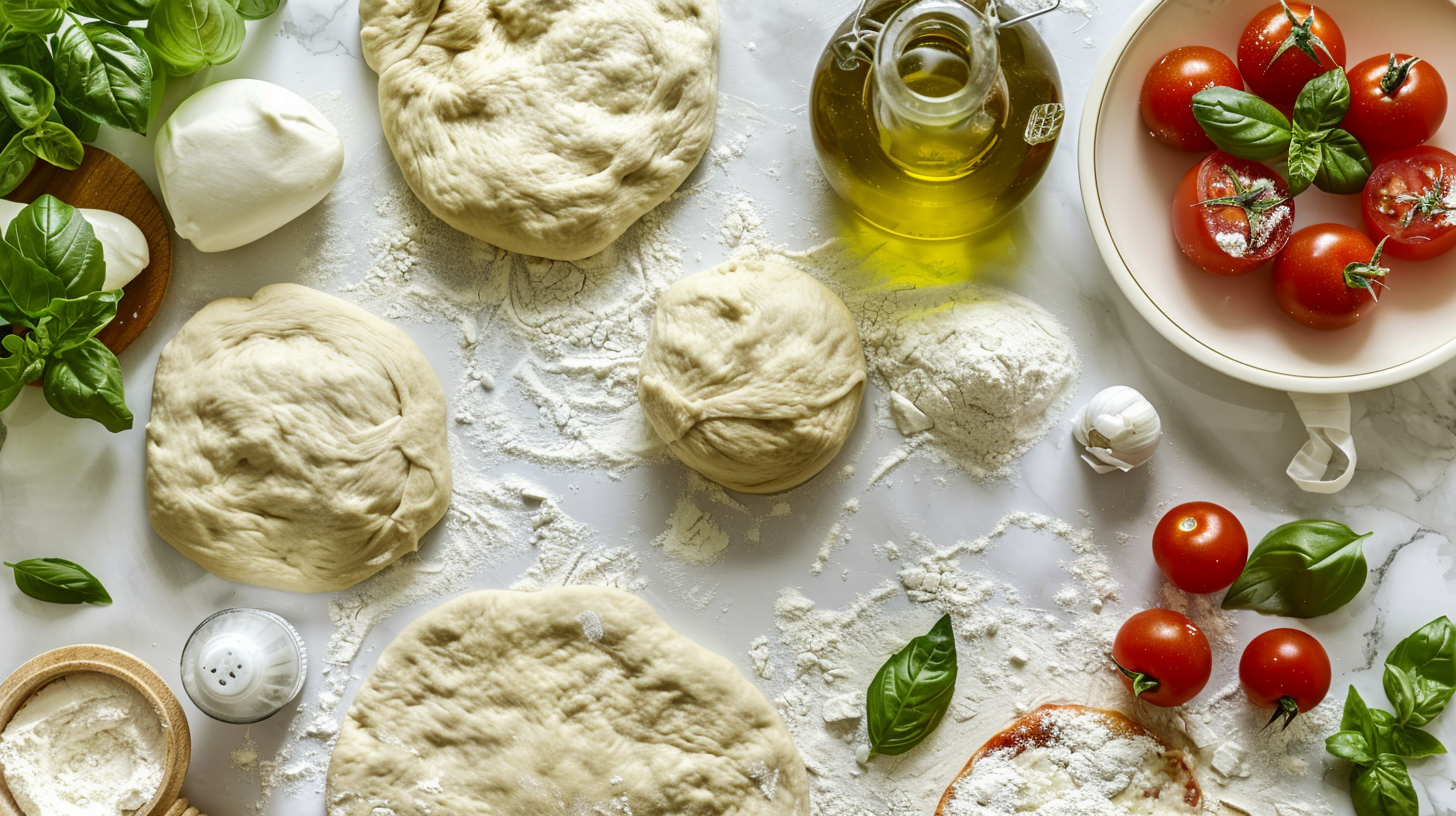
Master the complete process of making homemade pizza dough from raw ingredients to finished crust
⚖️ Advantages and Disadvantages of Making Homemade Pizza Dough
Like any recipe, homemade pizza dough has distinct benefits and challenges. Evaluating both helps you decide if this is the right project for your kitchen.
Making an Informed Decision About Your Pizza Project
Homemade pizza dough offers tremendous advantages for dedicated home cooks. However, it requires patience and planning ahead. Understanding these tradeoffs ensures you approach the recipe with realistic expectations and proper preparation.
✓ Advantages
- ✓ Superior flavor from proper fermentation and yeast development
- ✓ Incredibly cost-effective compared to pizzeria prices
- ✓ Complete ingredient control for dietary preferences
- ✓ Freezes beautifully for convenient future use
- ✓ Customizable texture from crispy to chewy
- ✓ No preservatives or artificial additives
- ✓ Impressive results that impress family and friends
- ✓ Educational experience learning fermentation science
✗ Disadvantages
- ✗ Requires advance planning and time management
- ✗ Yeast needs proper temperature conditions
- ✗ Fermentation timing varies with room temperature
- ✗ Kneading requires physical effort or stand mixer
- ✗ Not suitable for gluten-free diets without substitutions
- ✗ Learning curve for proper dough handling
- ✗ Requires quality oven for best results
- ✗ Mistakes happen during initial learning phase
🎯 Essential Techniques for Perfect Homemade Pizza Dough
Mastering key techniques ensures your homemade pizza dough turns out perfectly every single time. These professional methods separate exceptional pizza from mediocre results.
Proper Yeast Activation and Temperature Control
Activating yeast correctly is crucial for successful homemade pizza dough. Use water between 105-110°F—hot enough to activate yeast but not so hot it kills it. Additionally, room temperature dramatically affects fermentation speed. Warmer kitchens accelerate rising, while cooler environments slow fermentation. Therefore, monitor your kitchen conditions and adjust timing accordingly. For example, homemade pizza dough recipe guides recommend adjusting rise times based on your specific environment.
Kneading and Gluten Development
Kneading develops gluten, which creates the dough's structure and elasticity. Knead your homemade pizza dough for 8-10 minutes until smooth and slightly tacky. The dough should spring back when poked. Consequently, proper kneading creates that desirable chewy texture. Alternatively, use a stand mixer with a dough hook attachment, which saves time and effort. Moreover, this method produces consistent results regardless of your physical strength.
- ✓ Water temperature should be 105-110°F for yeast activation
- ✓ Knead for 8-10 minutes until smooth and elastic
- ✓ Room temperature affects fermentation speed significantly
- ✓ Use stand mixer for consistent, effortless results
📚 Flavor Variations and Creative Customizations for Pizza Dough
While classic homemade pizza dough is delicious, countless variations elevate your pizza game further. These creative additions transform basic dough into something truly special.
Herb and Seasoning Enhancements
Infusing homemade pizza dough with herbs creates aromatic, flavorful crusts. Add dried oregano, basil, or garlic powder to your dry ingredients. Furthermore, incorporating fresh rosemary or thyme during kneading adds sophisticated flavor. Additionally, brushing finished dough with garlic-infused olive oil before baking creates irresistible garlic bread pizzas. These additions require no additional technique—just mix them into your existing recipe.
Whole Grain and Alternative Flour Options
Experimenting with different flours creates unique textures and nutritional profiles. Whole wheat flour adds nuttiness and density, though it requires slightly more water. Similarly, spelt flour provides a subtle sweetness. However, substitute no more than 25-30% of all-purpose flour to maintain proper gluten development. For more complex variations, explore gluten free desserts easy: simple recipes for perfect results for alternative approaches.
- ✓ Add dried herbs like oregano and basil for aroma
- ✓ Brush with garlic-infused olive oil before baking
- ✓ Substitute up to 30% whole wheat flour
- ✓ Experiment with spelt or ancient grain flours

The perfect homemade pizza dough crust with ideal golden color and crispy exterior texture
💡 Storage and Make-Ahead Strategies for Homemade Pizza Dough
Planning ahead transforms homemade pizza dough from a spontaneous activity into convenient meal preparation. Proper storage techniques ensure freshness and quality.
Refrigeration and Cold Fermentation Benefits
Refrigerating homemade pizza dough actually improves flavor through extended fermentation. After the initial rise, punch down your dough and refrigerate for 24-48 hours. Moreover, cold fermentation develops deeper, more complex flavors that rival pizzeria dough. Therefore, this method is actually superior to rushing the process. Remove dough 30 minutes before using to allow it to reach room temperature.
Freezing Homemade Pizza Dough for Future Use
Freezing homemade pizza dough extends its usability significantly. Divide dough into portions, wrap tightly in plastic wrap, then freeze for up to three months. When ready to use, thaw in the refrigerator overnight, then let it rest at room temperature for one hour. Consequently, you always have fresh pizza dough available for spontaneous pizza nights. This make-ahead strategy saves time without sacrificing quality.
- ✓ Cold fermentation develops superior flavor
- ✓ Refrigerate for 24-48 hours after initial rise
- ✓ Freeze portions for up to three months
- ✓ Thaw overnight in refrigerator before using
📖 Recipe Card
🥘 Ingredients
- 2 cups all-purpose flour
- 1 cup granulated sugar
- 3 large eggs
- 1/2 cup unsalted butter, softened
- 2 tsp vanilla extract
- 2 tsp baking powder
- 1/2 tsp salt
- 3/4 cup whole milk
👨🍳 Instructions
- Preheat your oven to 350°F (175°C). Grease and flour a 9-inch round cake pan.
- In a medium bowl, whisk together flour, baking powder, and salt. Set aside.
- In a large bowl, cream together butter and sugar until light and fluffy, about 3-4 minutes.
- Beat in eggs one at a time, then add vanilla extract.
- Alternate adding flour mixture and milk, beginning and ending with flour mixture.
- Pour batter into prepared pan and smooth the top.
- Bake for 30-35 minutes until a toothpick inserted in center comes out clean.
- Cool in pan for 10 minutes, then turn out onto a wire rack to cool completely.
📊 Nutrition Information
❓ Frequently Asked Questions
Water temperature between 105-110°F is ideal for yeast activation. This temperature activates the yeast without killing it. Use a kitchen thermometer to ensure accuracy. Water that’s too hot kills yeast, preventing fermentation. Water that’s too cold won’t activate yeast properly, resulting in no rise.
Knead homemade pizza dough for 8-10 minutes until it becomes smooth and elastic. The dough should spring back when poked. If using a stand mixer with dough hook, reduce time to 5-7 minutes. Proper kneading develops gluten, creating the desired chewy texture in your finished crust.
Yes, homemade pizza dough actually improves when made ahead. Refrigerate for 24-48 hours after the initial rise for enhanced flavor through cold fermentation. You can also freeze portions for up to three months. Thaw frozen dough overnight in the refrigerator before using. This flexibility makes meal planning much easier.
Several factors affect rising in homemade pizza dough. Check your yeast expiration date first. Ensure water temperature is between 105-110°F. Room temperature affects fermentation speed—warmer kitchens rise faster. Cold kitchens require longer rising times. Additionally, ensure your yeast is active by testing it before mixing into flour.
Yes, bread flour works well in homemade pizza dough. It has higher protein content, creating chewier crusts. Use the same amount as all-purpose flour. However, bread flour may require slightly more water due to its higher protein absorption. The resulting crust will be noticeably chewier than with all-purpose flour.
Dust your work surface with flour before stretching homemade pizza dough. Oil your hands lightly instead of using excessive flour. Use a pizza peel dusted with cornmeal or semolina flour for easy transfer to the oven. Proper hydration balance in your dough prevents excessive stickiness without drying it out.
🎉 Final Thoughts
Mastering homemade pizza dough opens an entirely new world of culinary possibilities. This fundamental skill provides the foundation for countless pizza variations and flavor combinations. Furthermore, the satisfaction of creating restaurant-quality pizza in your own kitchen is genuinely unmatched. Once you've experienced the superior flavor and texture of properly fermented homemade pizza dough, you'll never return to store-bought alternatives.
The journey from raw ingredients to finished pizza teaches valuable lessons about fermentation, gluten development, and temperature control. These principles extend far beyond pizza-making into bread baking and other culinary arts. Additionally, making homemade pizza dough brings families together around the dinner table. The combination of superior flavor, cost savings, and shared experience makes this recipe truly worthwhile. Learn more about homemade pizza dough: master the perfect crust recipe to expand your pizza-making skills further.
Key Takeaways:
- ★Water temperature (105-110°F) is crucial for yeast activation
- ★Knead for 8-10 minutes to develop gluten properly
- ★Cold fermentation (24-48 hours) enhances flavor significantly
- ★Freeze portions for convenient future pizza nights
- ★Room temperature affects fermentation speed significantly
Ready to create exceptional homemade pizza? Gather your ingredients today and follow our step-by-step guide. Your family will be amazed by the authentic flavor and quality of your homemade pizza dough!
Homemade pizza dough represents more than just a recipe—it's an investment in quality, flavor, and family moments. The skills you develop extend throughout your cooking life. Start your homemade pizza journey today and discover why pizzerias protect their dough recipes so carefully.