
One Pot Pasta Recipes Simple: Easy Weeknight Dinners
Imagine serving a delicious, homemade pasta dinner with just one pot to wash—sounds like a dream, right? It's absolutely achievable with one pot pasta recipes simple!
One pot pasta recipes simple have revolutionized weeknight cooking for busy families everywhere. Instead of boiling pasta separately and managing multiple pans, these innovative recipes combine everything into a single pot. The pasta cooks directly in the sauce, absorbing all the flavors while you save time and energy. Furthermore, the starch from the pasta creates a naturally creamy sauce without requiring cream or butter. This method transforms ordinary ingredients into restaurant-quality meals in under 30 minutes.
📋 Table of Contents
▼
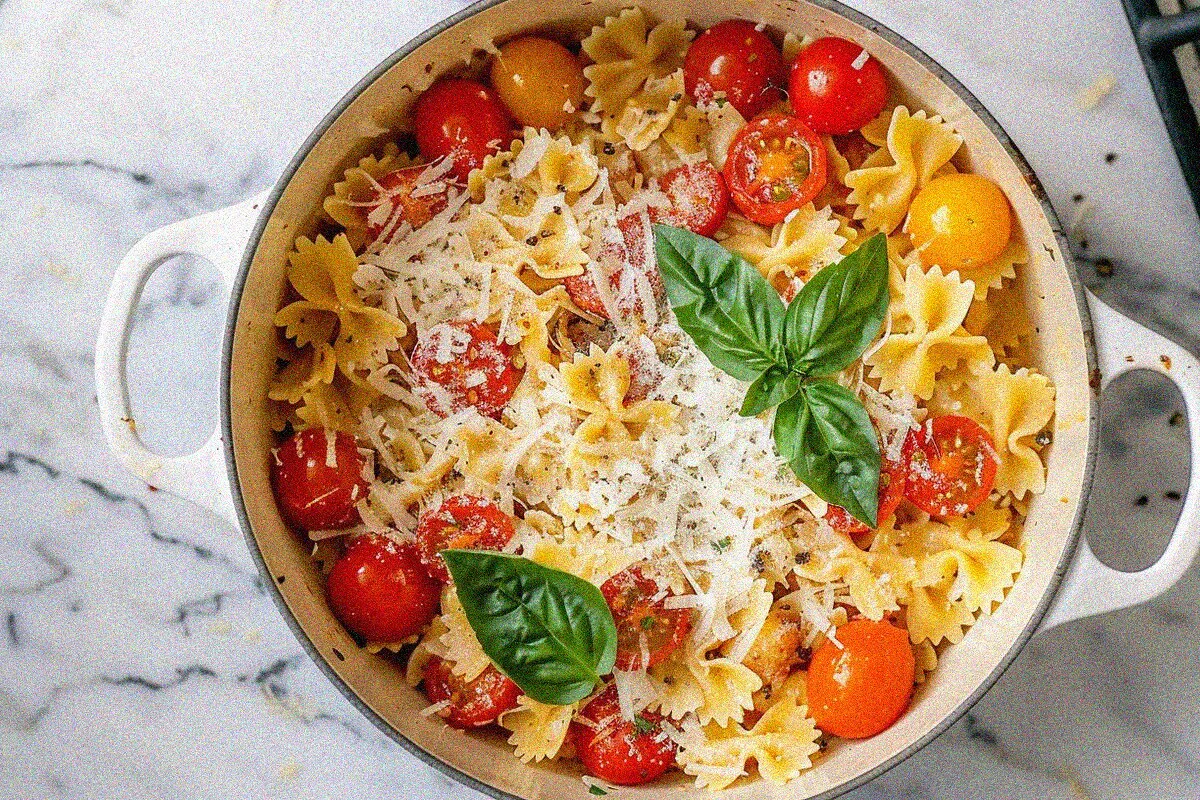
A beautiful one pot pasta dish ready to serve with fresh basil and Parmesan cheese
Why One Pot Pasta Recipes Simple Work So Well
Understanding the science behind one pot pasta cooking helps you appreciate why this method produces such exceptional results. Therefore, let's explore what makes these recipes so effective and reliable.
The Science of One Pot Pasta Cooking
One pot pasta recipes simple work through a fascinating culinary principle: direct starch absorption. When pasta cooks in broth instead of water, it absorbs the seasoned liquid directly, infusing every strand with flavor. Meanwhile, the starch released by the pasta creates a naturally creamy sauce without requiring heavy cream or butter. This emulsification process happens automatically as the pasta releases its starch into the liquid. Consequently, you achieve a restaurant-quality sauce in a fraction of the time.
Time and Energy Efficiency
Beyond flavor, one pot pasta recipes simple offer remarkable practical advantages. You eliminate the need to boil water separately, cook pasta in a colander, and manage multiple pans simultaneously. Additionally, cleanup becomes remarkably simple—just one pot to wash instead of three or four. This efficiency makes these recipes perfect for weeknight cooking when time is limited. Moreover, the concentrated cooking method means less water waste and reduced energy consumption.
- Starch emulsification creates naturally creamy sauces without heavy cream
- Direct flavor absorption infuses pasta with seasoned broth throughout cooking
- Single pan cooking reduces cleanup time by 75 percent
- Faster cooking times compared to traditional pasta methods
- Energy efficient uses less water and electricity than boiling methods
- Minimal ingredient waste since everything cooks together in one vessel

Pasta actively cooking in flavorful broth, demonstrating the one pot cooking process
Advantages and Disadvantages of One Pot Pasta Recipes Simple
Like any cooking method, one pot pasta recipes simple have distinct strengths and considerations worth understanding. Therefore, let's examine both sides objectively to help you decide if this method suits your cooking style.
✅ Advantages
- Requires minimal kitchen equipment and cookware
- Dramatically reduces cleanup time and dishwashing effort
- Creates flavorful, creamy sauces without heavy cream or butter
- Cooks in under 30 minutes from start to finish
- Uses affordable, accessible pantry ingredients
- Perfect for meal planning and batch cooking
- Highly adaptable to different dietary preferences
- Impresses guests with minimal visible effort
⚠️ Disadvantages
- Requires careful liquid-to-pasta ratio for optimal results
- Demands occasional stirring to prevent sticking
- Less forgiving of timing variations than traditional methods
- May require adjustment for different pasta shapes and thicknesses
- Broth quality significantly impacts final flavor
- Not ideal for very large batch cooking
- Requires monitoring to prevent overcooking
Verdict: One pot pasta recipes simple represent a genuine breakthrough in weeknight cooking. They deliver exceptional flavor and texture while eliminating the complexity and cleanup of traditional pasta preparation. Whether you're a busy professional, a parent juggling multiple responsibilities, or simply someone who values convenience without sacrificing quality, these recipes deserve a permanent place in your cooking rotation. The combination of speed, simplicity, and delicious results makes this cooking method an absolute winner.

All ingredients needed for one pot pasta recipes simple arranged beautifully
📖 Recipe Details
🥘 Ingredients
- 2 cups all-purpose flour
- 1 cup sugar
- 3 large eggs
- 1/2 cup butter, softened
- 1 tsp vanilla extract
- 2 tsp baking powder
- 1/4 tsp salt
- 1/2 cup milk
👨🍳 Instructions
- Preheat oven to 350°F (175°C) and grease a 9-inch round cake pan
- In a small bowl, whisk together flour, baking powder, and salt
- In a large bowl, cream butter and sugar until light and fluffy, about 3 minutes
- Beat in eggs one at a time, then add vanilla extract
- Alternately add flour mixture and milk to the butter mixture
- Pour batter into prepared pan and smooth the top
- Bake for 25-30 minutes until a toothpick comes out clean
- Cool in pan for 10 minutes, then turn out onto wire rack
📊 Nutrition Information (per serving)
| Nutrient | Amount |
|---|---|
| Calories | 285 |
| Protein | 4g |
| Carbohydrates | 42g |
| Fat | 12g |
| Fiber | 0.5g |
Essential Ingredients for One Pot Pasta Recipes Simple
Mastering one pot pasta recipes simple begins with understanding each ingredient's role. Therefore, let's examine the components that make these dishes successful and explore smart substitution options.
Core Ingredients Explained
The foundation of one pot pasta recipes simple consists of just a few essential components. First, quality broth serves as both the cooking liquid and the base for your sauce—vegetable, chicken, or seafood broth all work beautifully. Second, pasta provides structure and texture; short pasta shapes like penne or shells work best because they trap sauce effectively. Third, aromatics like garlic and onions build flavor foundations. Finally, fresh vegetables add nutrition, color, and textural contrast to your finished dish.
Smart Substitution Strategies
One pot pasta recipes simple offer remarkable flexibility for ingredient substitutions. For instance, you can replace vegetable broth with chicken or seafood broth depending on your protein choice. Additionally, any pasta shape works, though shorter shapes perform better for sauce absorption. Furthermore, you can substitute vegetables based on seasonal availability and personal preferences. In fact, experimenting with different ingredient combinations is one of the joys of this cooking method.
- Broth alternatives: Use chicken, beef, seafood, or vegetable broth interchangeably
- Pasta varieties: Penne, rigatoni, shells, or bow tie pasta all work excellently
- Vegetable swaps: Zucchini, bell peppers, spinach, mushrooms, or broccoli
- Protein additions: Ground meat, shrimp, beans, or tofu
- Flavor boosters: Sun-dried tomatoes, capers, olives, or fresh herbs
- Liquid alternatives: Wine, tomato juice, or coconut milk for different flavor profiles
${imagePrompts.image4.caption}
Professional Techniques for Perfect One Pot Pasta Recipes Simple
Achieving consistent excellence with one pot pasta recipes simple requires understanding and applying specific professional techniques. Therefore, let's explore the methods that separate good results from exceptional ones.
Mastering Liquid Ratios and Timing
The most critical aspect of one pot pasta recipes simple is achieving the correct liquid-to-pasta ratio. Specifically, you want approximately 1.5 to 2 cups of broth per cup of uncooked pasta. This ratio ensures the pasta cooks through while the sauce reaches the perfect consistency. Additionally, timing matters significantly—most one pot pasta dishes cook in 15-20 minutes depending on pasta shape and thickness. Therefore, set a timer and check doneness at the minimum time, then adjust as needed.
Stirring, Seasoning, and Finishing Techniques
Proper stirring prevents sticking and ensures even cooking throughout your one pot pasta recipes simple. Specifically, stir every 2-3 minutes during the cooking process, paying special attention to the bottom of the pot where pasta tends to accumulate. Moreover, season in stages rather than all at once—taste at the midpoint and adjust seasonings as needed. Finally, finish with fresh herbs, quality olive oil, and grated cheese to elevate your dish from simple to spectacular.
- Liquid ratio: Use 1.5-2 cups broth per cup of uncooked pasta
- Consistent stirring: Stir every 2-3 minutes to prevent sticking and ensure even cooking
- Temperature control: Maintain a gentle boil, not a rolling boil
- Taste testing: Season in stages, adjusting as the dish develops
- Timing precision: Check pasta at minimum time, then add 1-2 minutes if needed
- Finishing touches: Add fresh herbs, olive oil, and cheese at the very end
Step-by-Step Guide to Perfect One Pot Pasta Recipes Simple
Follow these detailed steps to master one pot pasta recipes simple and achieve consistent, delicious results every single time. Therefore, let's walk through the process together.
Prepare Your Ingredients
Gather all ingredients and prepare them before cooking begins. Mince garlic, chop vegetables into bite-sized pieces, and measure out your broth. This preparation ensures smooth cooking without interruptions. Having everything ready prevents mistakes and allows you to focus on the cooking process.
Heat Oil and Sauté Aromatics
Heat 2 tablespoons of olive oil in a large pot over medium heat. Add minced garlic and cook for approximately 1 minute until fragrant. This step builds flavor foundations for your one pot pasta recipes simple. Don’t let garlic brown, as it becomes bitter.
Add Uncooked Pasta
Add 1 pound of uncooked pasta directly to the pot with the garlic and oil. Stir constantly for 2-3 minutes to lightly toast the pasta. This toasting step adds subtle nutty flavor that enhances the final dish. The pasta should be coated with oil but not browned.
Pour in Broth and Bring to Boil
Add 4 cups of broth to the pot and stir well to combine. Bring the mixture to a boil over medium-high heat, then reduce heat to maintain a gentle boil. The liquid should bubble steadily but not violently. This consistent boiling ensures even pasta cooking.
Cook Pasta and Stir Regularly
Cook for 15-18 minutes, stirring every 2-3 minutes to prevent sticking. The pasta will gradually absorb the broth while releasing starch that creates a creamy sauce. Check pasta doneness at 15 minutes—it should be tender but still slightly firm. Continue cooking if needed.
Add Vegetables and Seasonings
In the last 5 minutes of cooking, add your chosen vegetables and seasonings. For example, add cherry tomatoes, Italian seasoning, salt, and pepper. The vegetables will soften while the pasta finishes cooking. Stir well to distribute seasonings evenly throughout the pot.
Finish and Serve
Remove from heat and let sit for 1-2 minutes. The pasta will continue absorbing liquid and the sauce will thicken slightly. Taste and adjust seasonings as needed. Serve immediately in bowls, garnished with fresh basil, grated Parmesan cheese, and a drizzle of olive oil.
Storage, Serving Ideas, and Creative Variations
Once you've mastered basic one pot pasta recipes simple, explore storage methods and creative variations to expand your repertoire. Therefore, let's discuss how to preserve these dishes and customize them for different occasions.
Proper Storage and Reheating Methods
One pot pasta recipes simple store exceptionally well, making them ideal for meal preparation. In fact, you can refrigerate cooked pasta in airtight containers for up to four days. When reheating, add a splash of broth or water to restore the sauce's creamy consistency, then warm gently over medium heat. Alternatively, freeze portions in freezer-safe containers for up to three months. However, note that frozen pasta should be thawed in the refrigerator before reheating for best results.
Creative Variations and Customization Ideas
The beauty of one pot pasta recipes simple lies in their versatility and adaptability. For instance, you can create Mediterranean versions with olives and sun-dried tomatoes, or Asian-inspired dishes using coconut milk and curry spices. Furthermore, adding proteins like grilled chicken, sautéed shrimp, or crumbled sausage transforms these recipes into complete meals. In particular, experimenting with different broth types opens endless flavor possibilities that keep these dishes exciting and fresh.
- Mediterranean style: Add olives, capers, sun-dried tomatoes, and feta cheese
- Creamy variations: Stir in cream cheese or heavy cream in the last minute
- Spicy versions: Include red pepper flakes, jalapeños, or hot sauce
- Protein additions: Ground beef, Italian sausage, shrimp, or white beans
- Seasonal vegetables: Spring asparagus, summer zucchini, fall mushrooms, winter spinach
- International flavors: Thai coconut, Indian curry, Mexican cilantro lime variations
${imagePrompts.image5.caption}
❓ Frequently Asked Questions
Short pasta shapes work best for one pot pasta recipes simple because they trap sauce effectively and cook evenly. Penne, rigatoni, shells, and bow tie pasta are excellent choices. Avoid long thin pasta like spaghetti, which tends to clump together. However, you can use any pasta shape you prefer—just adjust cooking time slightly based on thickness.
While technically possible, water won’t produce the flavorful results that make one pot pasta recipes simple so delicious. Broth provides essential flavor and helps create the creamy sauce through starch emulsification. If you must use water, add extra seasoning, bouillon cubes, or tomato paste to compensate. Nevertheless, investing in quality broth makes a significant difference in your final dish.
Liquid consistency issues usually stem from incorrect broth ratios or cooking time variations. If your dish is too dry, add more broth in quarter-cup increments and continue cooking. Conversely, if it’s too wet, simmer uncovered for a few additional minutes to evaporate excess liquid. Remember that one pot pasta recipes simple continue absorbing liquid even after you remove them from heat, so don’t overcorrect.
Consistent stirring is the key to preventing sticking in one pot pasta recipes simple. Stir every 2-3 minutes, paying special attention to the bottom of the pot where pasta accumulates. Additionally, ensure you’re using the correct broth-to-pasta ratio and maintaining a gentle boil rather than a rolling boil. Using a larger pot also helps prevent crowding and sticking issues.
Yes, one pot pasta recipes simple are excellent for meal preparation! Cook them completely, cool to room temperature, then refrigerate in airtight containers for up to four days. You can also freeze portions for up to three months. When reheating, add a splash of broth to restore the sauce’s creamy consistency and warm gently over medium heat until heated through.
A large pot (at least 4-5 quarts) works best for one pot pasta recipes simple. This size prevents crowding, allows for proper stirring, and reduces the likelihood of boiling over. A Dutch oven or large stainless steel pot are ideal choices. Avoid using small pots, which can cause uneven cooking and sticking problems. The extra space ensures your pasta cooks evenly and your sauce develops properly.

Ready to Master One Pot Pasta Recipes Simple?
Stop spending hours in the kitchen and hours cleaning up afterward. Start cooking these amazing one pot pasta recipes simple tonight and discover why thousands of home cooks have made this method their weeknight staple. Your family will love the delicious results, and you'll love the extra free time!
🎯 Final Thoughts
One pot pasta recipes simple have genuinely transformed the way home cooks approach weeknight dinners. By combining pasta, sauce, and vegetables in a single pot, you achieve restaurant-quality results in under 30 minutes with minimal cleanup. The science behind this cooking method—starch emulsification and direct flavor absorption—ensures consistently delicious outcomes every single time you cook.
The versatility of one pot pasta recipes simple means you'll never run out of fresh ideas and flavor combinations to try. From Mediterranean versions with olives and feta to Asian-inspired dishes with coconut milk and curry spices, these recipes adapt beautifully to your preferences and seasonal ingredients. Furthermore, they're perfect for meal preparation, batch cooking, and feeding hungry families on busy weeknights.
Key Takeaways:
- One pot pasta recipes simple combine pasta, sauce, and vegetables in a single pot for minimal cleanup
- Proper liquid ratios and consistent stirring ensure perfectly cooked pasta and creamy sauce
- These recipes work for cooks of all skill levels and require only basic pantry ingredients
- Versatility allows endless customization based on seasonal ingredients and personal preferences
- Meal preparation and storage options make these recipes practical for busy schedules
- Professional techniques elevate simple ingredients into impressive restaurant-quality dishes
Remember, the beauty of one pot pasta recipes simple lies not just in their convenience, but in the delicious, satisfying meals they produce. Once you master the fundamentals, you'll have a reliable cooking method that impresses family and friends while fitting seamlessly into your busy life. Happy cooking!